
Speech Sound Disorders in Children: Signs, Causes, and How Speech Therapy Can Help
If you've ever found yourself wondering, "Why is my child so difficult to understand?", your child may be experiencing a speech sound disorder. While it's normal for young children to make some speech errors as they learn language, persistent difficulties producing sounds can impact communication, confidence, and academic success.
What Is a Speech Sound Disorder?
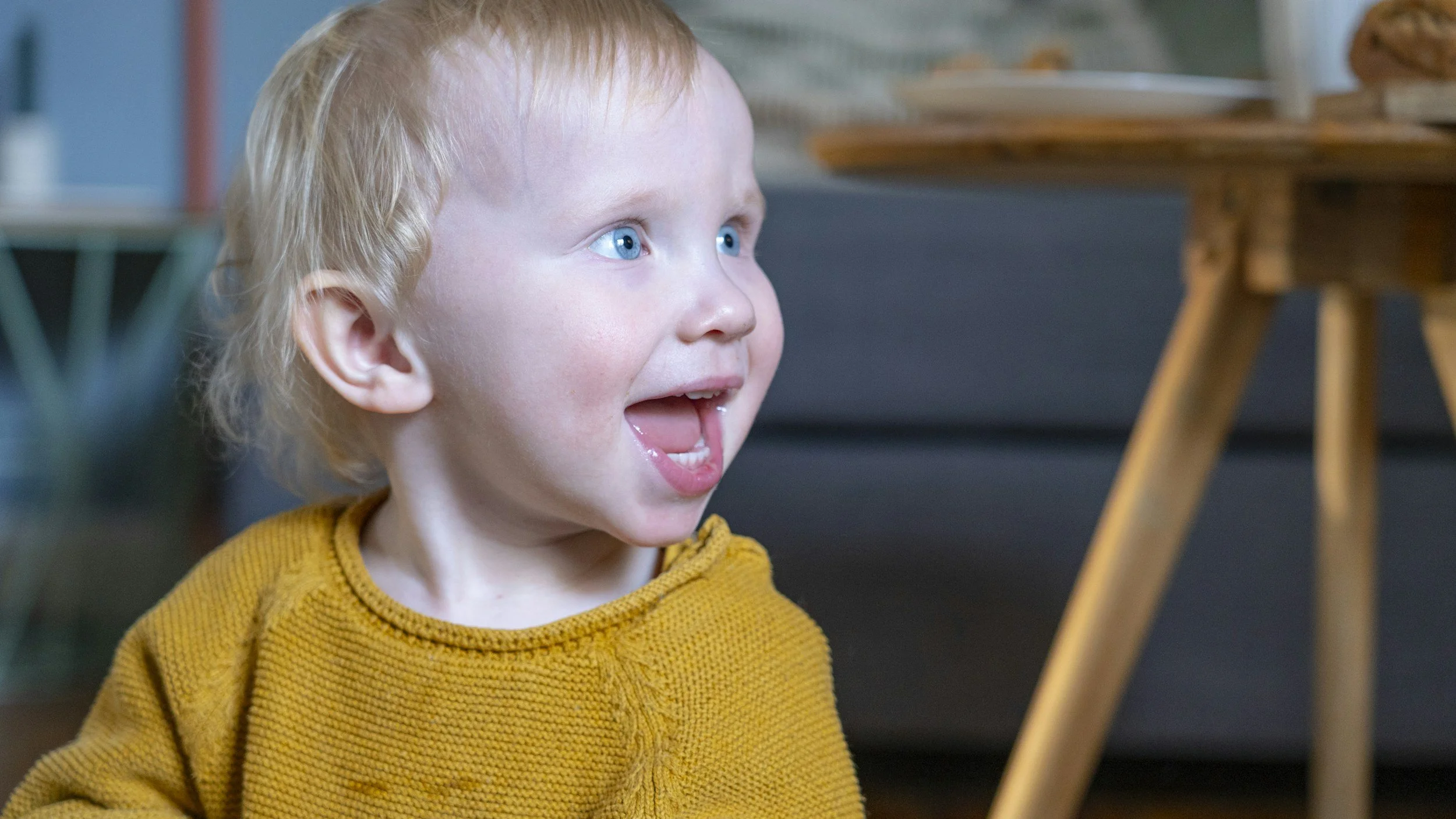
A speech sound disorder (SSD) occurs when a child has difficulty producing speech sounds correctly or consistently beyond the age when those sounds are typically mastered. These challenges can make it difficult for others to understand what the child is saying.
Speech sound disorders generally fall into two categories:
Articulation Disorders
An articulation disorder occurs when a child has difficulty physically producing specific speech sounds. For example, a child may say "wabbit" instead of "rabbit" or struggle to produce sounds such as /s/, /r/, or /l/.
Phonological Disorders
A phonological disorder occurs when a child uses predictable patterns of speech errors. For example, they may leave off the ends of words ("ca" for "cat") or substitute one group of sounds for another ("tat" for "cat").
Some children may have a combination of both articulation and phonological difficulties.
Signs Your Child May Have a Speech Sound Disorder
Parents are often the first to notice when something doesn't seem quite right with their child's speech. Signs may include:
Difficulty being understood by family members, teachers, or peers
Frequent sound substitutions
Omitting sounds from words
Distorting sounds, such as a lisp
Frustration when communicating
Avoiding speaking situations
Difficulty pronouncing age-appropriate speech sounds
If your child is becoming increasingly frustrated because others do not understand them, it may be time to seek an evaluation.
What Causes Speech Sound Disorders?
There is not always a clear cause for speech sound disorders. However, contributing factors may include:
Hearing loss or frequent ear infections
Oral motor difficulties
Structural differences such as tongue-tie or cleft palate
Developmental delays
Neurological conditions
Family history of speech and language difficulties
In many cases, children with speech sound disorders have no identifiable medical cause.
Why Early Intervention Matters
Speech difficulties can affect much more than a child's ability to pronounce words correctly. Research shows that speech sound disorders may impact:
Reading and spelling development
Classroom participation
Social interactions
Self-confidence
Academic performance
The earlier a child receives support, the greater the opportunity to develop strong communication skills and prevent future challenges.

How Speech Therapy Can Help
Speech therapy focuses on helping children learn how to accurately produce sounds and use them correctly in words, sentences, and conversations.
During therapy, a speech-language pathologist may:
Assess speech sound development
Identify specific sound errors
Teach correct sound production
Practice sounds through play-based activities
Provide home practice strategies for families
Monitor progress and adjust goals as needed
At The Speech Cove, therapy sessions are engaging, child-centered, and designed to help children build confidence while improving communication skills.
When Should I Seek an Evaluation?
You should consider a speech evaluation if:
Your child is difficult for unfamiliar listeners to understand
Speech errors persist beyond developmental expectations
Teachers or caregivers express concerns
Your child becomes frustrated when communicating
Speech difficulties are affecting school performance or social interactions
Even if you're unsure whether your child's speech is developing typically, a professional evaluation can provide peace of mind and guidance.
Contact The Speech Cove Today
If you have concerns about your child's speech development, don't wait. Early support can make a meaningful difference in your child's communication skills and confidence.
Contact The Speech Cove today to schedule a speech and language evaluation and learn how speech therapy can help your child thrive.